
The Digital Liquid Biopsy Platform
A world-first blood test pioneered by Professor Sudha Rao and the Rao Laboratory at QIMR Berghofer — transforming how brain cancer is diagnosed, monitored and treated.
Clinical Trial Underway: A Stage 1 clinical trial of this technology is currently underway in hospitals across Queensland, New South Wales and Canberra.
Digital Pathology Diagnostic Platform
Early intervention blood tests to detect brain cancer or brain metastasis
Professor Rao's Lab has established the world-first liquid biopsy digital pathology platform — a blood test that combines expertise in epigenetics, digital pathology and measuring and characterising cancer cells in the blood.
For the first time, they are able to monitor the "seeders of metastasis" (metastatic initiating cells) — the cells that spread cancer. These seeders are critical initiators of metastatic brain cancer and may play a role in primary brain cancers such as glioblastomas. Monitoring these seeders has not previously been possible.
The Rao Lab has identified the precise molecular and protein make-up of these metastatic initiating cells (MITS) and is now able to validate and characterise the molecular and protein make-up of the metastatic cells that are brain-specific metastatic initiating cells (bMITS).
Using novel technology platforms not available elsewhere in Australia and a novel digital pathology platform, the Rao Lab has developed a blood test to identify these bMITS — allowing monitoring of these seeders before they metastasise to the brain. This also has the potential to diagnose brain metastasis or recurrence of primary brain cancer early, enabling treatment to intervene when the patient has the highest chance of a successful outcome.
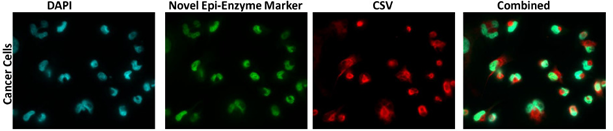
Clinical Diagnostics for Brain Cancer Patients
Personalised medicine through in-vitro drug screening
It is essential that therapeutics for brain cancers and brain metastasis act rapidly given the quick progress of these cancers — to target the cancer cells causing primary or metastatic brain cancers and to re-invigorate and allow the patient's own immune system to kill the cancers. The Rao Lab has pioneered methods using novel technologies that allow in-vitro screening of a patient's specific live cancer cells to determine which drugs the cancer may respond to.
This method addresses the key dilemma oncologists face in not knowing what drugs (such as chemotherapy or immunotherapy) will be effective for the patient, who is already very sick. A test showing if a patient is likely to respond to a specific treatment reduces the time the oncologist may need to find an effective treatment. Early intervention means a higher chance of a positive outcome. Oncologists could provide individual assessments of the correct treatment and prioritise patients who may respond to specific therapies.
The Rao Lab has identified an epigenetic marker that is a central switch in resistance to many types of therapeutics. Using this marker, the Lab's novel blood test predicts and tracks, in a non-invasive manner, the patient's responsiveness to therapeutics.
The Rao Lab's work continues to refine and validate the novel signature for brain metastatic targeted CTCs and primary brain cancer CTCs — enabling a deeper understanding of the features of CTCs that come from primary brain cancers or migrate to brain metastases. Further funding will help establish this blood test as routine, giving many cancer patients personalised medicine options to prolong survival.
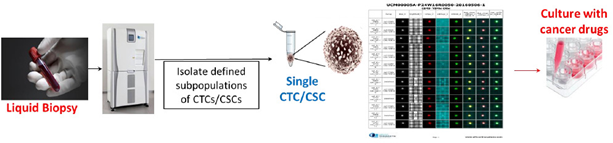
Accelerating from Bench to Clinic
Professor Rao and her researchers work closely with a team of committed neurologists and oncologists. The Rao Lab's early intervention approaches are being taken seriously as a matter of urgency.
Currently, primary brain cancer patients deal with invasive surgery, chemotherapy and radiotherapy with a high rate of recurrence. Unfortunately, surgery is not always possible and there are minimal to no treatment options available. The Rao Lab has made game-changing developments for early intervention by tracking cancer in the blood before it reappears. As a result, these developments provide an important opportunity for the development of targeted drugs that can destroy aggressive cancer cells before they metastasise. This screening allows for a personalised approach.
Following with successful completion of the current clinical trial, the Rao Lab will work closely with oncologists to accelerate TGA approval and the roll-out of these blood tests and drug screening platforms — enabling them to become a routine part of clinical practice for brain cancer patients.
The Rao Lab currently has blanket ethics for patient recruitment at the Canberra Hospital, Royal Brisbane Women's Hospital (RBWH) and Monash University Hospital, and is working closely with oncologists to identify and recruit additional patients with a focus on primary and metastatic breast and brain cancers.
Help Fund This Research
Your donation directly supports Professor Rao's groundbreaking work — helping to accelerate the development of non-invasive blood tests and personalised treatments for brain cancer patients across Australia.
Donate Now