
Initiatives
Where your support goes
Every dollar raised goes directly to advancing brain cancer research and patient care. We fund four key initiatives that are changing the future of diagnosis and treatment.
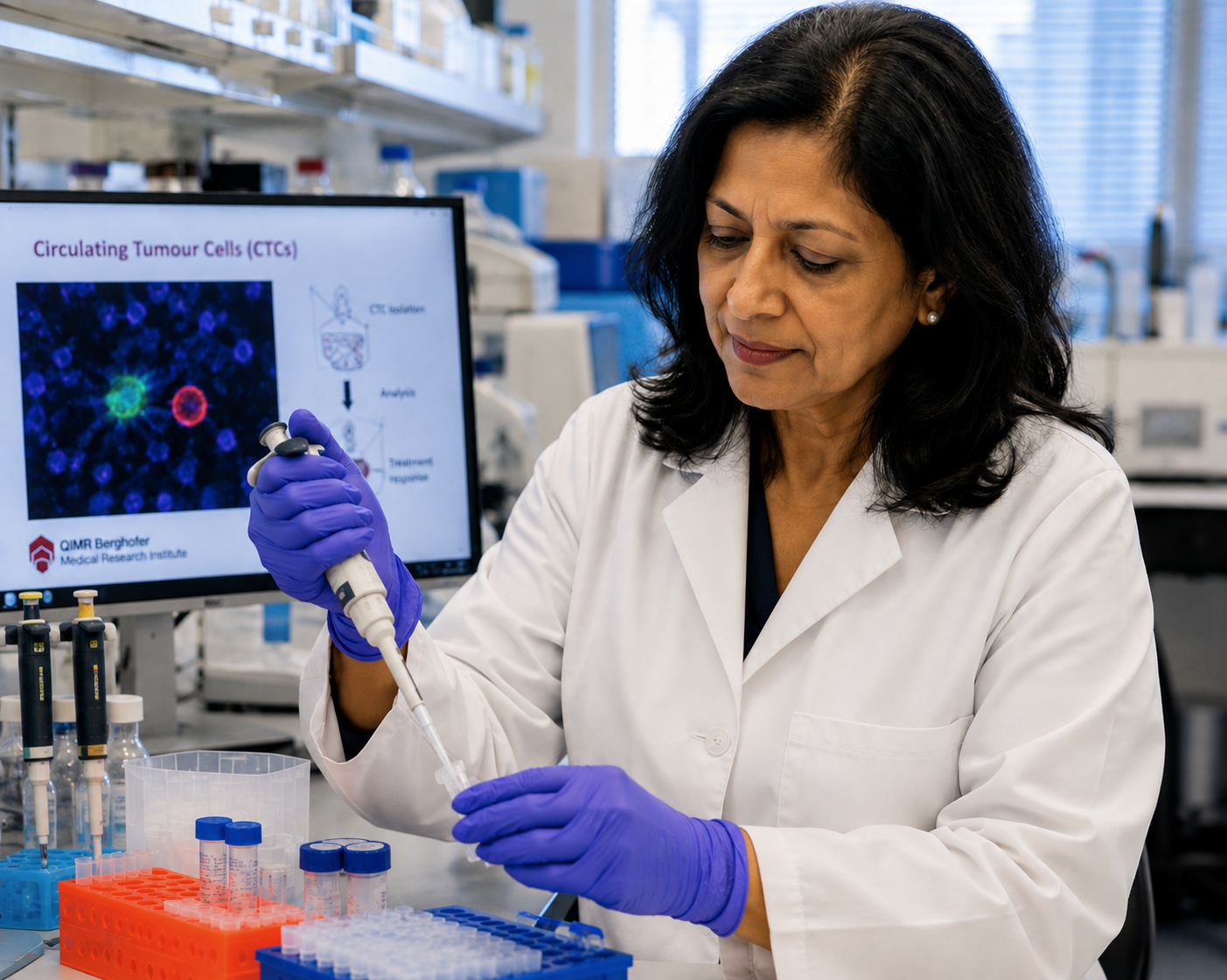
Digital Liquid Biopsy Platform (DLBP)
The Daniela Dwyer Foundation is proud to support Professor Sudha Rao's pioneering Digital Liquid Biopsy Platform (DLBP) — a world-first technology that has the potential to transform the way brain cancer is diagnosed, monitored and treated.
Using a simple blood test, the platform can detect and analyse circulating tumour cells in real time, giving clinicians unprecedented insight into how a patient's cancer is behaving and whether their current treatment is working. Rather than waiting months for scans or relying on invasive procedures, oncologists can receive earlier, personalised information that allows treatment to be adjusted sooner, giving patients the best possible chance of a successful outcome.
Platform Capabilities
- Detect and monitor aggressive brain cancer cells using a simple, non-invasive blood test.
- Provide real-time insights into how a patient's cancer is responding to treatment.
- Help clinicians identify the most effective therapies through personalised drug testing.
- Enable earlier intervention before the cancer progresses or returns.
- Improve patient outcomes by making precision medicine a routine part of brain cancer care.
The Daniela Dwyer Foundation is committed to accelerating the rollout of this groundbreaking technology so that patients across Australia can benefit from faster diagnoses, more personalised treatment decisions, and renewed hope in the fight against brain cancer.
Learn more about the DLBP
Read the full overview of this world-first technology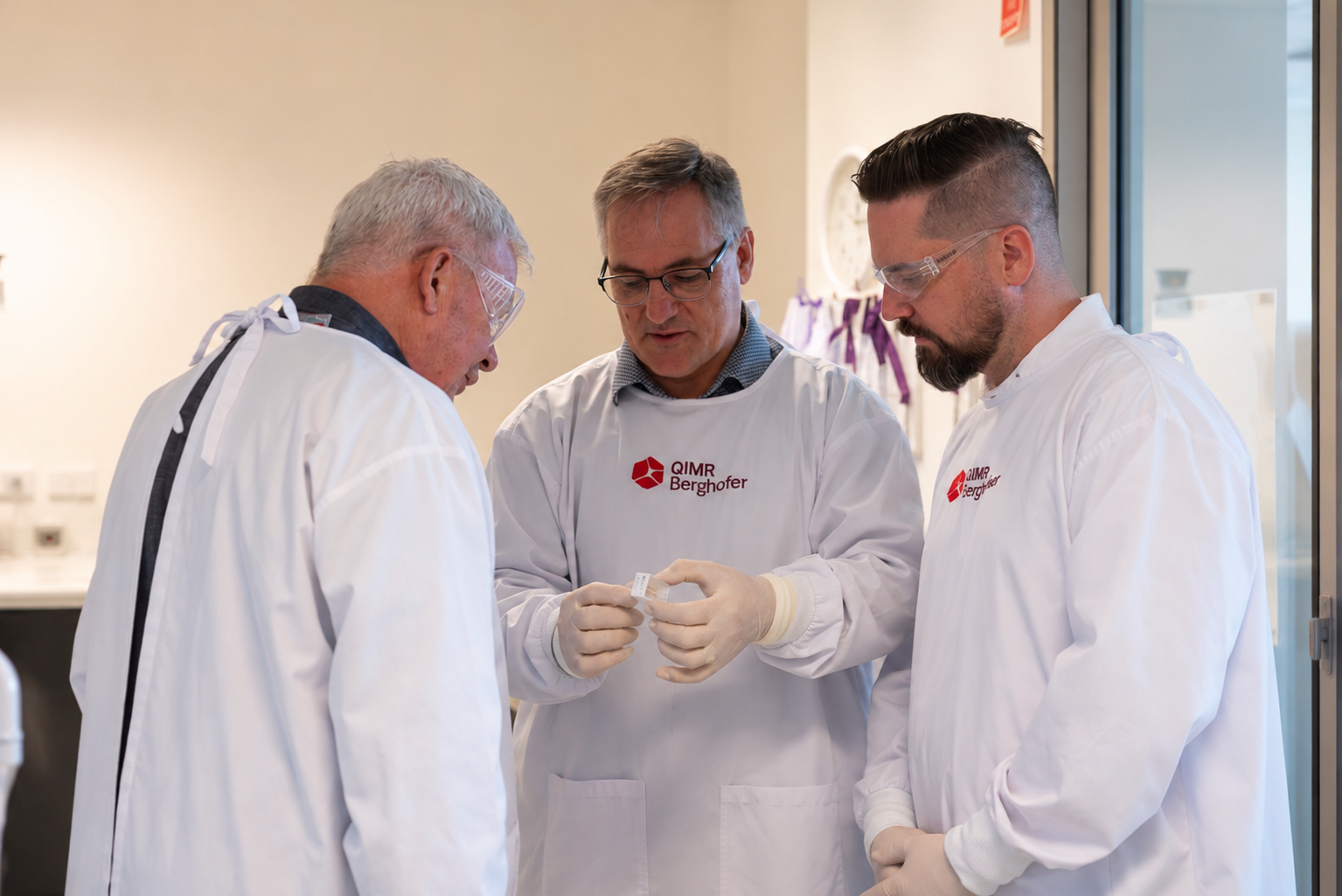
Clinician Education Grants
Designed to accelerate the adoption of world-leading brain cancer diagnostic technologies by investing in the education and professional development of Australian clinicians.
The Grant Program provides financial support for clinicians, oncologists and other healthcare professionals to undertake specialised training at QIMR Berghofer in the Digital Liquid Biopsy Platform pioneered by the Rao Laboratory. Grant funds are designed to offset travel and accommodation expenses. DDF aims to ensure that breakthrough innovations can be implemented in hospitals around Australia as quickly and safely as possible — giving patients earlier access to more accurate diagnoses and personalised treatment options.
Program Objectives
- Equip clinicians with the knowledge and skills to adopt cutting-edge brain cancer diagnostics and treatments.
- Accelerate the translation of research breakthroughs into everyday clinical practice.
- Improve access to innovative technologies for patients across Australia.
- Foster collaboration between clinicians, researchers and leading medical institutions.
- Ultimately improve survival rates, quality of life and treatment outcomes for people diagnosed with brain cancer.
Interested in applying for a grant?
Get in touch with us to apply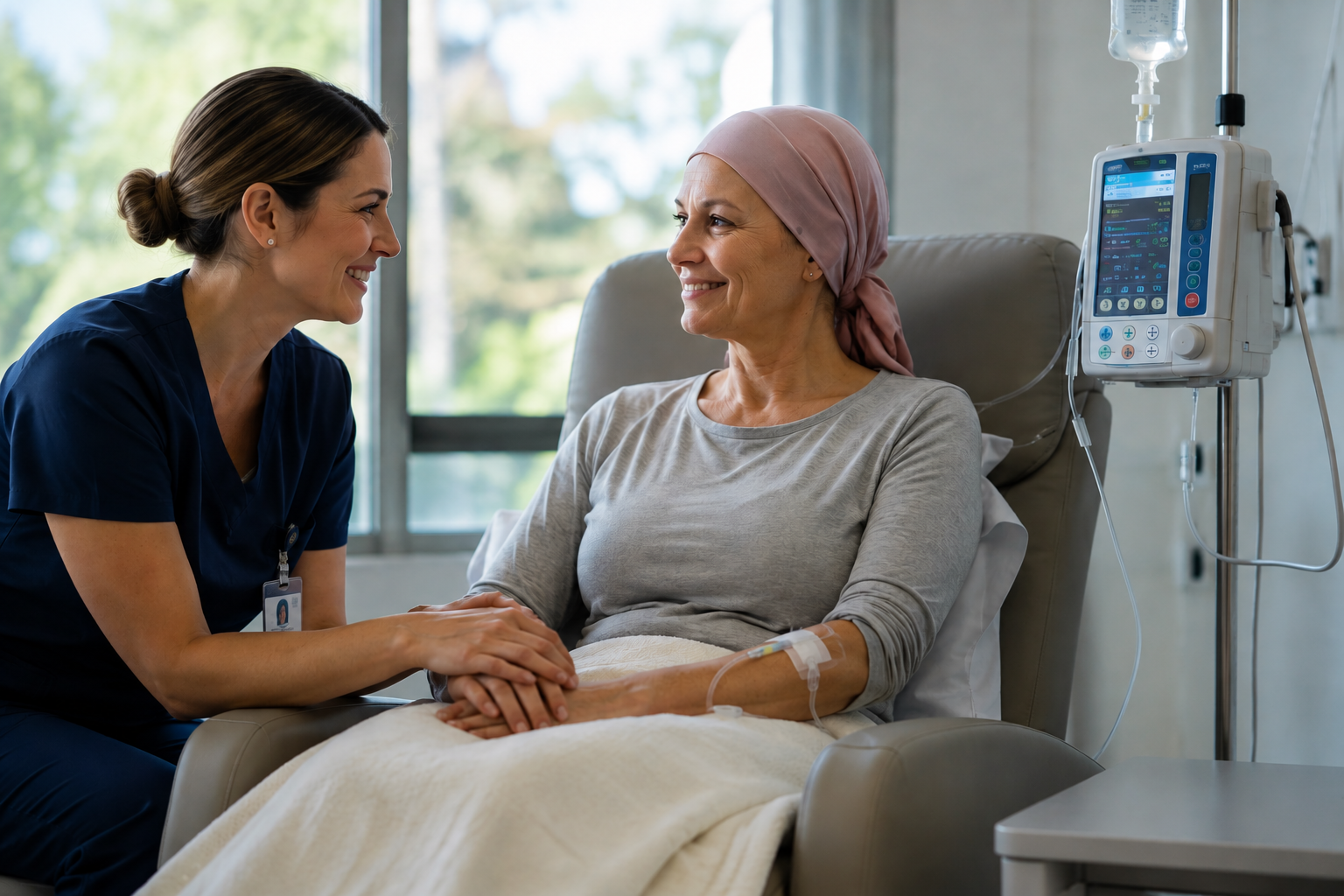
Compassionate Access Programs
DDF's Compassionate Access Program exists to ensure that no brain cancer patient misses out on the opportunity to benefit from life-changing advances simply because they are ineligible for a clinical trial or unable to access emerging technologies through conventional pathways.
The program provides financial assistance to help eligible patients access Professor Sudha Rao's pioneering Digital Liquid Biopsy Platform, where there are no other treatment options remaining.
At the Daniela Dwyer Foundation, we believe that every patient deserves the opportunity to access the best available technology. Through the Compassionate Access Program, we are working to ensure that groundbreaking innovations reach the people who need them most — regardless of the circumstances of their diagnosis. If you or a loved one are interested in learning more about the Digital Liquid Biopsy testing or would like to explore whether it may be suitable for your situation, we encourage you to speak with your Oncologist, who can advise on the best path forward.
Cost of Testing
A patient typically undergoes 10 tests throughout their treatment journey — providing real-time data to support informed clinical decisions and timely treatment adjustments.
Donate $200 to help a patient access this testing today
Your donation funds one life-changing DLBP test for a brain cancer patient
Drug Toxicity Research
The Daniela Dwyer Foundation is proud to support the Rao Laboratory's Drug Toxicity Research, an innovative program that is redefining how cancer treatments are delivered. Building on insights gained through the ongoing Paxalisib clinical trial run by Kazia Therapeutics, this research is investigating how cancer drug dosing can be optimised to maximise treatment effectiveness while minimising harmful side effects.
For decades, cancer treatment has often been guided by the belief that higher drug doses produce better outcomes. New research is challenging this long-held assumption by exploring whether carefully optimised lower doses can achieve equal — or even superior — therapeutic results while significantly reducing side effects and toxicity for patients.
Using advanced laboratory techniques and patient-derived tumour models, the research aims to better understand how individual cancers respond to treatment and identify dosing strategies that deliver the greatest clinical benefit with the least impact on a patient's quality of life.
By supporting this research, the Daniela Dwyer Foundation is helping to advance a future where cancer treatment is not only more effective, but also more precise, more personalised, and less burdensome for patients and their families.
Help fund this research
Make a donation to support drug toxicity research$250,000
Total research funding to date
4
Active initiatives funded by DDF